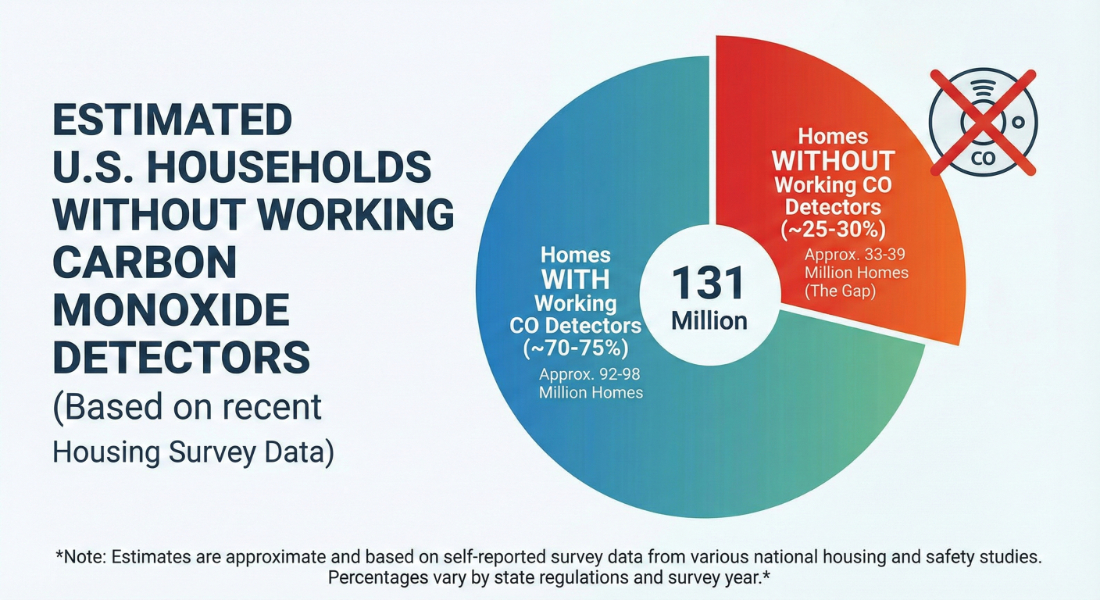
 View Carbon Monoxide Safety Data (UL Report)
Holiday season in Houston usually means a full house, more cooking, and heating systems finally waking up after a long, humid summer. It’s also the time of year when
carbon monoxide risks quietly increase—especially in homes with older gas furnaces, fireplaces, and attached garages.
This guide is your practical Houston carbon monoxide safety checklist for November and beyond. Use it to get your home guest-ready, then back it up with a professional carbon monoxide safety inspection from Hage Energy.
Why Carbon Monoxide Becomes a Bigger Risk During the Holidays
Carbon monoxide (CO) is a colorless, odorless gas created any time fuel is burned. In the right conditions, it can build up indoors without warning.
During the holidays in Houston, several things stack the odds:
- Heaters and furnaces start running more often. Systems that sat idle for months are suddenly working hard again.
- More people in the home means more hot water and cooking. Water heaters and gas stoves see extra use.
- Garages and driveways get busy. Idling cars in attached garages can push exhaust toward living spaces.
- Fireplaces and generators come back into the mix. Cooler evenings and stormy weather can bring them into play.
None of this is automatically dangerous—but when equipment is old, unmaintained, or poorly vented, carbon monoxide levels can creep up fast.
Common Carbon Monoxide Danger Zones in Houston Homes
Think through your home room by room. The most common CO risk areas include:
1. Gas Furnace or Heating System
- Located in the attic, a closet, or a small mechanical room.
- Cracked heat exchangers, rusted flues, or loose vent connections can leak exhaust.
- Poor combustion or backdrafting can push CO into the home instead of outside.
2. Gas Water Heater
- Often located in the garage, utility room, or attic.
- Old or improperly sized vent pipes, lack of combustion air, or backdrafting can cause problems.
3. Kitchen Gas Stove or Oven
- Running the oven with the door cracked open “for heat” is a classic CO hazard.
- Poor ventilation or range hoods that don’t vent outside can allow exhaust to linger.
4. Fireplaces (Gas or Wood-Burning)
- Blocked chimneys, damaged flues, or closed dampers can trap combustion gases.
- Decorative gas logs without proper ventilation can be especially risky.
5. Attached Garage
- Idling cars, lawn equipment, or portable generators in an enclosed garage can push CO into the home through doors, gaps, and ducts.
- Even “just a few minutes” of idling with the garage door partially closed can raise levels.
6. Generators and Outdoor Combustion Equipment
- Whole-house generators must be placed and vented correctly.
- Portable generators should never be used inside a garage, carport, or too close to the home.
If any of these feel familiar—and especially if your equipment is older—it’s time to treat CO safety like smoke alarm checks: just something you do every year.
Houston Holiday Carbon Monoxide Safety Checklist
Use this checklist in November before guests arrive or heaters run full-time.
1. Test All Carbon Monoxide Detectors
- Press the test button on each CO detector in your home.
- Replace batteries if it’s been more than a year.
- Replace any detector that’s more than 5–7 years old (check the label for dates).
If your home doesn’t have CO detectors yet, plan to install them on every level and near sleeping areas.
2. Confirm Proper Detector Placement
- Install detectors outside bedrooms, in hallways, and near major combustion appliances.
- Avoid placing detectors right next to bathrooms, ceiling fans, or windows where drafts can interfere with readings.
- Don’t hide detectors behind furniture or curtains.
3. Schedule a Professional Heating System Check
Have a qualified technician inspect and tune up your heating system. A good visit should include:
- Combustion and venting inspection.
- Check for cracks, corrosion, and loose connections.
- Safety controls and shut-off checks.
This is also the perfect time to talk about a dedicated carbon monoxide safety inspection if you’ve never had one done.
4. Inspect the Area Around Your Furnace and Water Heater
- Clear away boxes, paint cans, cleaning chemicals, and storage clutter.
- Make sure nothing blocks access panels, vents, or combustion air openings.
- Look for obvious rust, scorch marks, or unusual odors.
If anything looks off, call a professional rather than trying to open equipment yourself.
5. Check Fireplaces and Chimneys
- Make sure the damper opens and closes properly.
- Look for visible buildup, nests, or obstructions.
- If you haven’t had a chimney cleaning in years, schedule one before heavy use.
- For gas fireplaces, confirm that the manufacturer’s venting and clearance guidelines are being followed.
6. Give Your Kitchen a Ventilation Check
- Make sure your range hood vents to the outside, not just recirculating air.
- Use the range hood whenever you’re cooking on a gas stove, especially during long holiday meal prep.
- Never use the oven with the door open as a heat source.
7. Review Garage and Generator Habits
- Don’t warm up vehicles in a closed or partially closed garage.
- Avoid running gas-powered equipment in the garage, even with the door open.
- Place portable generators well away from doors, windows, and vents.
- Ensure permanently installed generators are serviced and vented correctly.
8. Talk With Family and Guests About CO Symptoms
Symptoms can look a lot like the flu or seasonal allergies:
- Headaches
- Dizziness
- Nausea
- Weakness or confusion
If multiple people feel sick inside the home and improve once they step outside, treat it as an emergency, get fresh air, and call for help.
9. Keep Emergency Numbers Handy
- Save 713-560-0600 for Hage Energy on your phone.
- Make sure family members know how to reach emergency services if a CO alarm goes off.
10. Plan a Professional CO Safety Inspection
For real peace of mind, cap off your checklist with a dedicated inspection from certified experts who can test appliances, check vents, and measure actual CO levels throughout your home.
DIY Checks vs. Professional Carbon Monoxide Inspections
There’s a lot homeowners can do:
- Test and replace CO detectors.
- Keep equipment areas clear of clutter.
- Use exhaust fans and range hoods correctly.
- Avoid dangerous habits like running generators in garages.
But some critical safety checks require tools and training you can’t get from a big-box store:
- Combustion analysis on furnaces and water heaters.
- Draft and backdraft testing.
- Flue sizing and venting evaluation.
- Heat exchanger inspections.
- Whole-home CO level measurements.
A professional carbon monoxide safety inspection pulls all of this together into a clear picture of how your home is performing and where improvements are needed.
How a Hage Energy Carbon Monoxide Safety Inspection Supports Your Holiday Plans
Hage Energy’s certified technicians already perform detailed safety testing as part of energy audits, maintenance visits, and home performance projects.
A focused CO safety inspection builds on that expertise with steps like:
- Inspecting gas furnaces, water heaters, and fireplaces for combustion and venting issues.
- Checking flues and vent pipes for blockages, corrosion, or improper connections.
- Measuring CO levels near appliances, in living areas, and near bedrooms.
- Reviewing the placement and condition of your carbon monoxide detectors.
- Providing written findings and clear recommendations, prioritized by urgency.
The result is a straightforward, homeowner-friendly report that tells you:
- Where you’re in good shape.
- What needs attention soon.
- What’s an immediate safety priority.
That way, you can welcome guests into your home confident that you’ve handled the invisible risks—not just the visible cleaning and decorating.
Long-Term Ways to Reduce Carbon Monoxide Risks
Beyond inspections and detectors, you can also lower CO risk over time with smart equipment choices:
- Upgrade aging gas furnaces and water heaters to newer, higher-efficiency models with modern safety features.
- Consider heat pumps for heating and cooling, which don’t rely on combustion and therefore don’t create carbon monoxide at all.
- Improve ventilation and indoor air quality with professional solutions instead of relying on open windows in Houston’s humid climate.
- Schedule regular AC & heating maintenance so problems are caught early rather than during a cold snap or holiday gathering.
Think of it as phasing in a safer, more efficient home—not just for this holiday season, but for many to come.
Helpful Hage Energy Resources for Houston Homeowners
More Hage Energy home safety and efficiency resources:
Ready to Make Your Houston Home Carbon Monoxide Safe?
If your calendar is packed with visitors—or if it’s just been a few years since your last serious safety check—this is the perfect time to act.
- Walk through the holiday carbon monoxide safety checklist in this article.
- Make note of any equipment that’s older, noisy, or overdue for service.
- Then schedule a carbon monoxide safety inspection with Hage Energy.
Call
713-560-0600, or submit a
Service Request form and make sure your family is safe, cozy, and comfortable all winter long.
A little preparation now can make the rest of your season a lot more relaxed, knowing your Houston home is comfortable, efficient, and carbon monoxide safe for everyone who walks through the door.