

Houston Summers: How They Wreak Havoc on Your HVAC System and What to Do About It
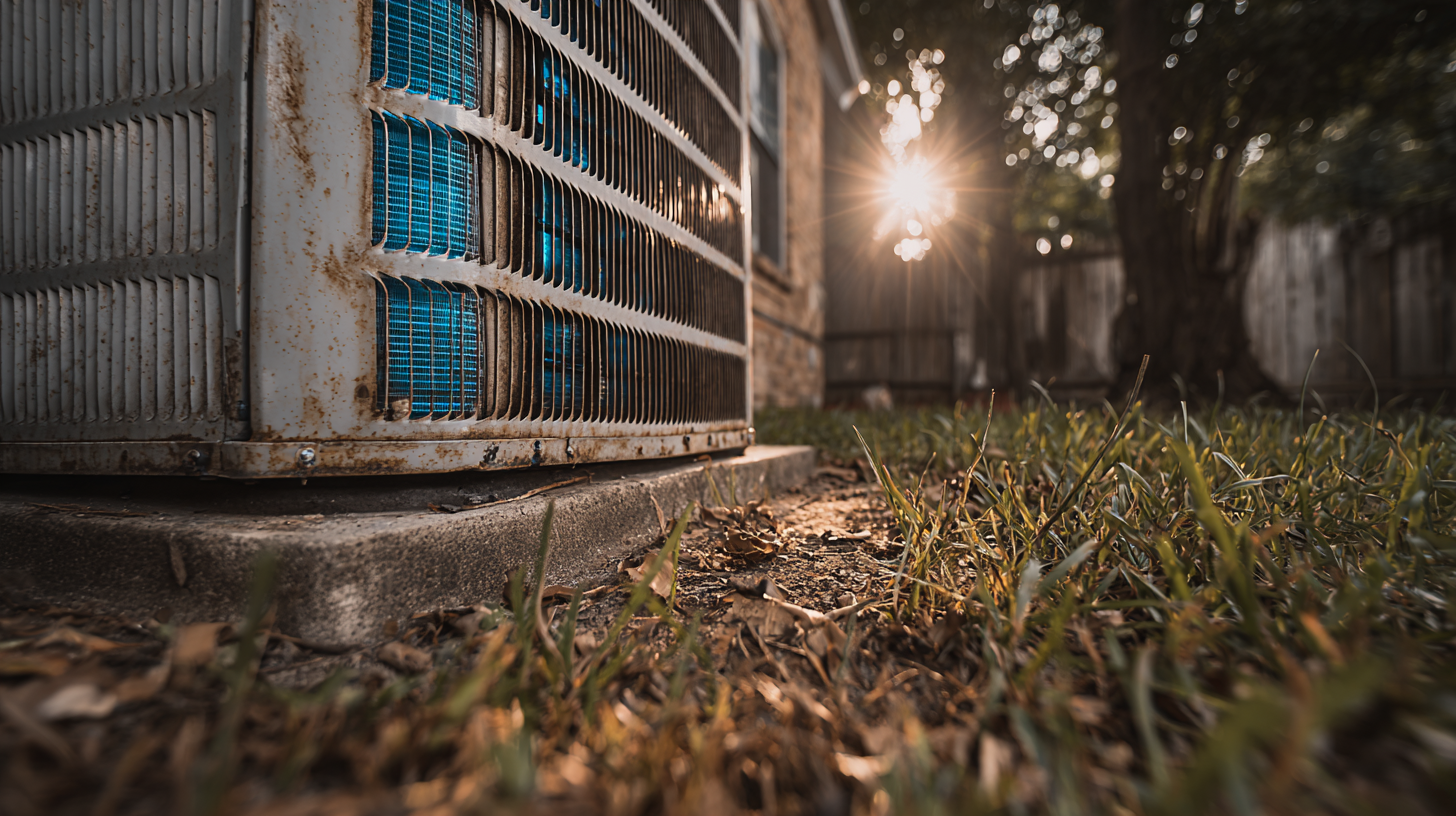 The relentless combination of scorching temperatures and oppressive humidity during a Houston summer can overwhelm even the most robust HVAC system, driving up energy bills and risking component failures while homeowners scramble for relief. By understanding how extreme heat, urban heat island effects, and extended operating months strain your air conditioner, you can take proactive HVAC maintenance steps—like scheduling an HVAC tune-up—to preserve performance and avoid emergency repairs. This article unpacks why Houston’s climate challenges your cooling equipment, highlights common warning signs, examines specific component failures, outlines preventative maintenance measures, explains when to call for emergency service, explores energy-efficient upgrades, and offers indoor air quality strategies for sustained home comfort and system longevity.
Why Does Houston’s Extreme Heat and Humidity Strain Your HVAC System?
Houston’s summer heatwave persists for months, forcing air conditioners into near-constant operation to maintain indoor comfort. Intense temperatures elevate compressor workload, while high moisture levels demand continual dehumidification, driving energy consumption and accelerating wear on critical parts.
Extreme Heat, HVAC Strain, and Vulnerability in Houston
Houston's climate assessment projects an increase in days exceeding 100°F and nights above 80°F, leading to higher energy demands for cooling. Despite widespread air conditioning, a 2011 survey in Houston revealed that 20% of respondents experienced heat-related symptoms at home, with many unable to afford AC usage due to high electricity costs, highlighting significant vulnerability to extreme heat. This research directly supports the article's discussion on how Houston's extended periods of extreme heat and high energy costs strain HVAC systems and impact residents' ability to maintain indoor comfort.
How Does Houston’s High Humidity Impact AC Performance and Indoor Air Quality?
Houston’s average summer humidity of 70–90% creates a constant load on the evaporator coil as the system struggles to remove moisture and cool air. Excess moisture retention leads to elevated indoor humidity, which fosters mold growth and reduces perceived comfort despite lower thermostat settings. Addressing humidity challenges helps maintain efficient dehumidification and healthier indoor air quality for residents.
What Role Does the Urban Heat Island Effect Play in HVAC System Stress?
Dense pavement, buildings, and reduced vegetation in Houston’s urban core trap heat, elevating outdoor temperatures by up to 5°F compared to rural areas. This urban heat island effect raises the condenser’s intake air temperature, forcing compressors to work harder and boosting power draw while shortening equipment life. Managing exterior unit placement and landscaping can alleviate localized heat stress and improve cooling efficiency.
Impact of Urban Heat Islands on Building Energy Performance
Research indicates that Urban Heat Islands (UHIs) significantly elevate outdoor temperatures in urban areas, leading to increased cooling demands for buildings. Studies have shown that UHIs can cause an average increase of 2.2 °C in external air temperature, resulting in a 6–8% rise in urban cooling energy and electricity demand, and cooling load increases ranging from 4% to 65% depending on climate conditions and building type. This research directly supports the article's explanation of how the urban heat island effect in Houston intensifies the strain on HVAC systems by increasing the temperature of the air the condenser takes in.
How Do Extended Operating Months Accelerate HVAC Wear and Tear in Houston?
With cooling seasons stretching 7–8 months, Houston AC systems endure more cumulative runtime than units in milder climates. Continuous operation increases motor fatigue, degrades lubricants faster, and heightens the risk of electrical component failures. Recognizing this extended duty cycle underscores the importance of scheduling regular HVAC maintenance to prevent premature breakdowns and preserve system integrity throughout the year.
What Are the Common Signs Your AC is Struggling in Houston’s Summer Heat?
A well-tuned HVAC system delivers consistent cooling and balanced airflow, but stress from heat and moisture often triggers telltale symptoms that homeowners can spot before major failures occur.
How to Recognize Warm Air, Strange Noises, and Inconsistent Cooling?
When return vents emit lukewarm air or temperature varies significantly between rooms, compressor inefficiency or airflow restrictions may be at fault. Unusual rattling, whining, or grinding sounds often signal worn bearings, loose fan blades, or failing belts. Detecting these anomalies early allows for targeted repairs instead of full system replacements.
Why Are High Energy Bills a Warning Sign of HVAC Problems?
A sudden spike in monthly utility costs can indicate reduced system efficiency from clogged filters, low refrigerant, or failing compressor stages. Dirty coils and restricted airflow compel the AC to cycle longer and more frequently, inflating energy consumption by up to 20%. Monitoring billing patterns helps homeowners identify when an HVAC tune-up or repair is overdue.
How Does Excess Indoor Humidity Indicate HVAC System Issues?
Persistent indoor moisture despite active cooling often points to compromised dehumidification capacity, refrigerant imbalances, or coil icing. Humidity above 60% creates discomfort and can damage woodwork, while signaling that the system is not removing latent heat effectively. Addressing humidity control issues restores comfort and protects your HVAC investment.
How Do Houston Summers Cause Specific HVAC Component Failures?
Extreme heat, moisture, and continuous operation in Houston converge to undermine several critical AC components, leading to costly breakdowns if left unchecked.
Why Does Extreme Heat Lead to Compressor Overworking and Failure?
Severe outdoor temperatures force compressors to run longer under higher discharge pressures, accelerating wear on pistons and valves. Overheated compressors often trip safety switches or suffer internal damage, resulting in reduced cooling capacity. Proper refrigerant charge and periodic compressor inspections help prevent catastrophic motor burnout.
How Do Refrigerant Leaks Develop and Affect Cooling Efficiency?
Heat-induced thermal expansion and contraction stress copper tubing and joints, creating micro-fractures where refrigerant escapes. Low refrigerant levels reduce evaporator coil performance, causing the system to run longer and risk coil freezing. Timely leak detection and recharge restore optimal pressure and cooling efficiency.
What Impact Do Dirty Condenser and Evaporator Coils Have on Airflow?
When dust, pollen, and debris accumulate on condenser and evaporator surfaces, heat transfer efficiency plummets and the blower motor strains to maintain airflow. Restricted airflow increases system head pressure, raises energy use, and leads to uneven cooling. Regular coil cleaning preserves design airflow and prevents system inefficiency.
| Component | Common Failure Mode | Performance Impact |
|---|---|---|
| Compressor | Overheating and motor burnout | Reduced cooling capacity and higher bills |
| Refrigerant Lines | Small leaks from thermal stress | Low refrigerant pressure and coil icing |
| Condenser/Evaporator | Coil fouling | Restricted airflow and decreased heat transfer |
| Capacitors and Motors | Insulation breakdown | Intermittent start failures and noise |
| Ductwork and Pans | Mold growth | Poor indoor air quality and odor issues |
This breakdown shows how each component strain builds toward system breakdown, setting the stage for preventative maintenance steps.
How Does Heat Stress Electrical Components Like Capacitors and Motors?
Constant high discharge temperatures degrade capacitor dielectric materials and overwork fan motors, leading to start-up failures and intermittent operation. Electrical stress increases the likelihood of blown fuses and short circuits, interrupting cooling when you need it most. Preventive inspection and timely replacement of aged electrical parts reduce emergency repair needs.
Why Does Houston’s Humidity Promote Mold Growth in Ductwork and Evaporator Pans?
High humidity condenses on cool duct surfaces and in drain pans, creating damp environments where mold spores thrive. Once established, mold restricts airflow, spreads odors, and poses health risks to occupants. Ensuring proper drainage, surface cleaning, and humidity control helps maintain sanitary duct systems and healthier indoor air.
Humidity's Role in Mold Growth within HVAC Systems
High relative humidity, particularly levels consistently above 60%, is a primary catalyst for mold growth in buildings with air conditioning systems. Mold thrives in damp environments created by condensation on cool surfaces like evaporator coils, ductwork, and drain pans, especially when indoor air temperatures are between 24°C and 28°C. This information reinforces the article's point about how Houston's high humidity creates conditions conducive to mold growth in AC components and ductwork, impacting indoor air quality.
What Preventative AC Maintenance Steps Can Houston Homeowners Take?
Simple, regular care can dramatically extend HVAC lifespan, improve comfort, and lower energy costs before investing in professional HVAC maintenance.
How Often Should You Replace Air Filters and Clear Outdoor Unit Debris?
Replacing or cleaning air filters every 30–60 days prevents dust buildup that restricts airflow and forces your system to work harder. Clearing grasses, leaves, and clutter around the outdoor unit ensures unobstructed airflow and optimal heat rejection. These basic actions support efficient cooling and reduce wear on blower motors.
What Are the Benefits of Annual Professional HVAC Tune-Ups in Houston?
An annual tune-up performed by NATE-certified technicians involves inspecting refrigerant levels, cleaning coils, calibrating thermostats, and tightening electrical connections. This comprehensive service boosts system efficiency by an average of 15%, uncovers developing issues early, and qualifies many units for extended warranties. Investing in a professional HVAC tune-up drives reliable performance during peak summer months.
How Does Preventative Maintenance Extend HVAC System Lifespan and Reduce Breakdowns?
Systematic upkeep mitigates stress on compressors, fans, and electrical parts, preventing up to 95% of unexpected breakdowns. Regular lubrication and coil cleaning maintain design airflow and heat transfer rates, while leak detection preserves refrigerant charge. Consistent maintenance lowers long-term repair costs and keeps home comfort uninterrupted as fall approaches.
When Should You Call for Emergency AC Repair in Houston Summers?
Despite diligent care, urgent failures can occur under the region’s punishing climate, requiring prompt professional intervention to safeguard comfort and safety.
What Are the Warning Signs That Require Immediate HVAC Service?
If your AC emits burning smells, electrical buzzing, or fails to restart after a shutdown, shut it off and call for emergency repair. Sudden refrigerant freeze-ups, total system shutdowns, or circuit-breaker trips also demand swift attention to prevent damage and indoor heat risks.
How Does 24/7 Emergency AC Repair Protect Your Home Comfort and Safety?
Round-the-clock service ensures critical repairs are addressed within hours, minimizing indoor heat exposure that can jeopardize health—especially for children, seniors, and pets. Immediate expert diagnostics and part replacement restore comfort quickly and prevent further system damage. Start here: AC repair & summer service.
What Are Common Emergency Repair Scenarios Caused by Houston Heat and Humidity?
Frequent scenarios include compressor lockouts from overheating, motor burnout in constant-run evaporator fans, and refrigerant line freeze-ups that result in ice buildup. Electrical failures during storms or heat spikes also interrupt cooling. Awareness of these risks helps homeowners respond decisively and limit property damage.
What Energy-Efficient HVAC Solutions Work Best for Houston’s Climate?
Upgrading to technology tailored for high heat and humidity in Houston delivers significant energy savings and enhanced comfort.
How Do Smart Thermostats Improve AC Efficiency in Houston Summers?
Smart thermostats learn occupancy patterns and adjust temperature setpoints to reduce runtime during peak rates and idle periods. Remote control and adaptive algorithms can lower energy bills by up to 10% while maintaining comfort, building on conventional thermostat limitations to optimize cooling schedules.
What Are the Benefits of HVAC System Upgrades and Duct Sealing?
Upgrading to variable-speed compressors and high-SEER units matches cooling output to real-time demand, cutting energy consumption by up to 30%. Sealing leaks in ductwork preserves conditioned airflow, prevents pressure imbalances, and reduces overall system load. These improvements deliver consistent temperatures and lower utility expenses. Learn more about air ducts and air conditioning services.
| Upgrade Option | Key Advantage | Typical Energy Savings |
|---|---|---|
| Variable-Speed AC | Precise temperature control | 20–30% |
| High-SEER Replacement Unit | Superior cooling efficiency | 15–25% |
| Comprehensive Duct Sealing | Minimizes air leakage | 10–15% |
| Smart Thermostat | Adaptive scheduling and remote access | 8–12% |
| Enhanced Insulation | Reduces thermal transfer | 10–20% |
These targeted upgrades combine to reduce HVAC strain and prepare your system for seasonal transitions into fall when cooling demand decreases.
How Can Proper Insulation and Ventilation Reduce HVAC Strain?
Adequate attic and wall insulation minimize heat intrusion, decreasing the cooling load on your AC. Balanced ventilation systems expel humid air and introduce filtered outdoor air, reducing indoor moisture. Together, these envelope improvements complement system upgrades to enhance overall efficiency and comfort. See our guides on home energy audits and how to conduct an energy audit.
How Can Indoor Air Quality Be Maintained During Houston’s Humid Summers?
Balancing moisture control with cleanliness preserves both system health and occupant well-being in Houston’s challenging climate.
Why Is Mold Growth a Concern for Houston Homes in Summer?
High humidity fosters mold proliferation in ductwork and evaporator pans, aggravating allergies and respiratory symptoms. Unchecked mold also degrades system performance by clogging airflow pathways. Proactive humidity management and component cleaning mitigate mold risks and sustain healthy indoor environments.
What HVAC Solutions Help Control Allergens and Excess Moisture?
Whole-house dehumidifiers and air scrubbers remove excess moisture and airborne particles, supporting allergen reduction and preventing microbial growth. HEPA filtration captures fine particles, while UV-C lights within air handlers neutralize pathogens. These enhancements integrate seamlessly with existing HVAC systems to bolster home health. Explore our Indoor Air Quality solutions and APCO air purifier page.
How Does Regular Duct Cleaning Support Better Indoor Air Quality?
Professional duct cleaning removes accumulated dust, pollen, and microbial buildup that circulates through vents during operation. Cleaner ducts restore optimal airflow, reduce odors, and prevent particulate re-entry into living spaces. Maintaining duct hygiene reinforces overall system efficiency and family comfort as summer wanes and fall approaches. Learn more about duct cleaning and vent cleaning.
Scheduling a comprehensive HVAC maintenance visit before extreme weather returns ensures that your system is primed for both the lingering heat and the upcoming cooler seasons. By combining proactive care, targeted upgrades, and indoor air quality strategies, Houston homeowners can safeguard comfort, reduce energy costs, and extend the life of their HVAC investment.