

Why HVAC Systems Fail During Houston's Long Summer Heat Streaks
Houston's summer is a marathon for your AC. Learn why the cumulative stress of a long heat streak, not just one hot day, leads to system failure.
Hage Energy
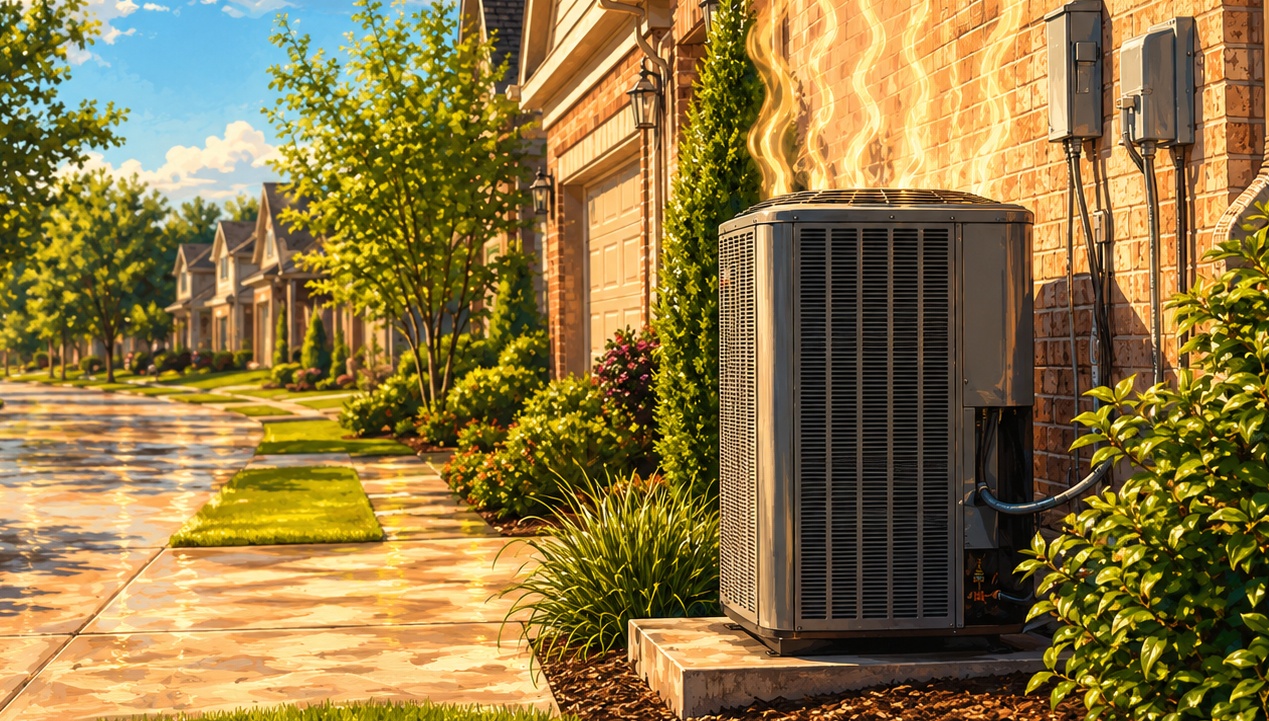
By mid June, most Houston air conditioners have already logged months of heavy operation. Unlike regions that experience occasional short heat waves, Houston homeowners face sustained periods of heat, humidity, and daily cooling demand that continue throughout the summer.
When cooling systems run for weeks without much relief, hidden weaknesses begin to surface. Components wear down, efficiency drops, and minor maintenance issues can quickly become major repair problems.
Understanding why HVAC systems fail during Houston's extended summer heat can help homeowners prevent breakdowns, improve comfort, and avoid expensive emergency service calls when reliable cooling matters most.
Houston's Summer Is a Marathon, Not a Sprint
Many homeowners think air conditioning breakdowns are caused by one extremely hot afternoon. In reality, most HVAC failures happen because the system has been operating under heavy load for weeks or months.
Houston's summer climate places constant pressure on residential cooling equipment. High daytime temperatures, warm overnight conditions, heavy humidity, and long cooling cycles force air conditioners to work harder than they would in milder climates.
By mid-summer, even small issues like a dirty coil, weak capacitor, low refrigerant level, clogged filter, or restricted drain line can push a system past its limit.
Capacitors Take a Beating During Long Heat Streaks
Capacitors are among the most common parts to fail during Houston's hottest months. These electrical components help start and run major HVAC motors, including the compressor, condenser fan motor, and blower motor.
When an air conditioner runs for long periods, capacitors are exposed to heat, electrical stress, and repeated startup demand. A weak capacitor may allow the system to operate during mild weather but fail once summer heat becomes relentless.
Warning signs of capacitor trouble may include:
- Outdoor unit humming but not starting
- AC turning on and off repeatedly
- Warm air coming from the vents
- Delayed startup
- Unexpected system shutdowns
Dirty Condenser Coils Restrict Cooling Performance
Your outdoor condenser coil is responsible for releasing heat from inside your home. When that coil becomes covered with dirt, grass clippings, pollen, leaves, or debris, the system cannot release heat efficiently.
In Houston, outdoor AC units are exposed to a long season of airborne buildup. As the condenser coil gets dirtier, the system has to run longer to achieve the same cooling result.
Dirty coils can lead to:
- Higher energy bills
- Longer cooling cycles
- Reduced comfort
- Increased compressor strain
- Greater risk of mid-summer breakdowns
Professional coil cleaning during an AC tune-up can help restore heat transfer, improve system efficiency, and reduce unnecessary wear on major components.
Refrigerant Issues Become More Noticeable in Extreme Heat
Low refrigerant levels or refrigerant leaks may not always be obvious during moderate weather. Once Houston's summer heat settles in, however, refrigerant problems become much harder to ignore.
An air conditioner depends on the proper refrigerant charge to absorb indoor heat and move it outside. When refrigerant is low, the system loses cooling capacity and may run longer without properly lowering indoor temperatures.
Common signs of refrigerant problems include:
- AC running constantly
- Warm or mildly cool air from vents
- Frozen evaporator coil
- Higher indoor humidity
- Hissing or bubbling sounds near refrigerant lines
Because refrigerant does not get "used up" like fuel, low refrigerant usually means there is a leak or another system issue that should be diagnosed by a professional HVAC technician.
Airflow Problems Compound Over Time
Airflow is one of the most important parts of cooling performance. Even if the outdoor unit and refrigerant system are working properly, poor airflow can make a home feel hot, humid, and uncomfortable.
Common airflow problems include clogged filters, dirty evaporator coils, blocked return vents, duct leaks, blower motor issues, and undersized or damaged ductwork.
When airflow is restricted, your system may experience:
- Hot and cold spots throughout the home
- Weak airflow from supply vents
- Frozen coils
- Longer runtime
- Reduced humidity control
- Increased system wear
During Houston's long summer heat streaks, airflow issues rarely stay minor for long. The harder your system works, the more important proper airflow becomes.
Electrical Components Experience Continuous Stress
Houston summers do not just test the mechanical side of your HVAC system. They also place heavy demand on electrical components.
Contactors, relays, wiring connections, control boards, fan motors, and compressors all rely on safe and stable electrical operation. Heat, vibration, moisture, and repeated cycling can cause electrical parts to weaken over time.
Electrical HVAC problems may show up as:
- Intermittent cooling
- Breaker trips
- Burning smells
- Buzzing or clicking sounds
- Outdoor unit failure
- Thermostat communication issues
Electrical issues should always be inspected promptly. Ignoring them can create safety risks and lead to more expensive equipment damage.
Humidity Makes Cooling Problems Feel Worse
Houston heat is challenging enough on its own, but humidity makes the cooling load even heavier. Your air conditioner does more than lower the temperature; it also removes moisture from the indoor air.
When an AC system is dirty, low on refrigerant, short cycling, or suffering from airflow problems, humidity removal often declines. That can make your home feel warmer than the thermostat setting suggests.
Signs of humidity-related cooling trouble include:
- Sticky or clammy indoor air
- Musty odors
- Condensation near vents
- Rooms that never feel comfortable
- Frequent thermostat adjustments
In Houston, comfort depends on both temperature control and moisture control. A tune-up can help determine whether your system is cooling and dehumidifying properly.
Neglected Maintenance Turns Small Problems Into Breakdowns
Most HVAC systems do not fail without warning. More often, small problems build up until the system can no longer keep up with demand.
A dirty coil, weak capacitor, partially clogged drain line, loose electrical connection, or restricted filter may seem minor at first. Under Houston's summer workload, those issues can escalate quickly.
Preventative maintenance helps catch these problems early, while they are often easier and less expensive to correct.
How an AC Tune-Up Helps Prevent Summer Failures
A professional AC tune-up is designed to improve reliability, efficiency, and performance before a system breaks down.
During a tune-up, an HVAC technician may inspect and evaluate:
- Electrical components
- Capacitors and contactors
- Refrigerant performance
- Condenser coil condition
- Condensate drain operation
- Thermostat accuracy
- Airflow performance
- Filter condition
- Overall system operation
For Houston homeowners, this proactive approach can make the difference between reliable cooling and an unexpected breakdown during a long stretch of extreme heat.
When Should You Schedule HVAC Service?
If your system is already showing signs of stress, do not wait for a complete failure. Schedule service if you notice reduced cooling, rising utility bills, weak airflow, strange noises, water leaks, short cycling, or indoor humidity problems.
Even if your system appears to be working, routine maintenance is especially valuable during Houston's long cooling season. A mid-summer inspection can help identify problems before they become urgent.
Protect Your AC System Through Houston's Long Summer
The biggest threat to your air conditioner is not one hot afternoon. It is the cumulative effect of weeks and months of heavy cooling demand, high humidity, and nonstop operation.
Houston's climate creates one of the most demanding environments for residential HVAC equipment. Regular tune-ups, timely repairs, and ongoing maintenance can help reduce emergency breakdowns, improve comfort, and extend system life.
If your air conditioner is struggling to keep up, Hage Energy can help diagnose the issue and restore reliable cooling performance.
Request Service or call 713-560-0600 to schedule AC repair or a professional tune-up in Houston.
Frequently Asked Questions
Why do air conditioners fail more often during Houston summers?
Air conditioners fail more often during Houston summers because they operate under extended heat, humidity, and long cooling cycles. This increases stress on compressors, capacitors, motors, electrical components, and airflow systems.
What is the most common AC repair during hot weather?
Common hot-weather AC repairs include capacitor replacement, refrigerant leak repair, condenser fan motor repair, drain line clearing, thermostat troubleshooting, and electrical component repair.
Can an AC tune-up prevent a breakdown?
An AC tune-up cannot prevent every possible repair, but it can greatly reduce risk by identifying dirty components, weak electrical parts, airflow restrictions, refrigerant concerns, and other developing issues before they cause a system failure.
Why does my AC run constantly during Houston heat?
Your AC may run constantly because of extreme outdoor temperatures, high humidity, dirty coils, clogged filters, low refrigerant, ductwork issues, poor insulation, or a system that is struggling to meet cooling demand.
Should I schedule service if my AC is still cooling?
Yes. If your system is cooling but running longer than usual, making noise, producing weak airflow, or struggling with humidity, it is best to schedule service before the issue becomes more serious.
FAQ Context
Why do HVAC systems fail during Houston's long summers?
Most HVAC failures in Houston occur because the system has been operating under a heavy, constant load for weeks or months. This sustained stress from heat and humidity causes hidden weaknesses and component wear to surface, leading to a breakdown.
What are the most common causes of AC failure in extreme heat?
Common causes include failing capacitors stressed by heat, dirty condenser coils that can't release heat efficiently, low refrigerant levels that reduce cooling capacity, and restricted airflow from clogged filters or dirty evaporator coils.