

More Than a Long Weekend: Memorial Day, What It Means, and Why It's the Right Time to Think About Your AC
Memorial Day is more than a long weekend. As we honor our heroes, it's also the last call to prepare your AC for the summer heat. Is your system ready?
Hage Energy
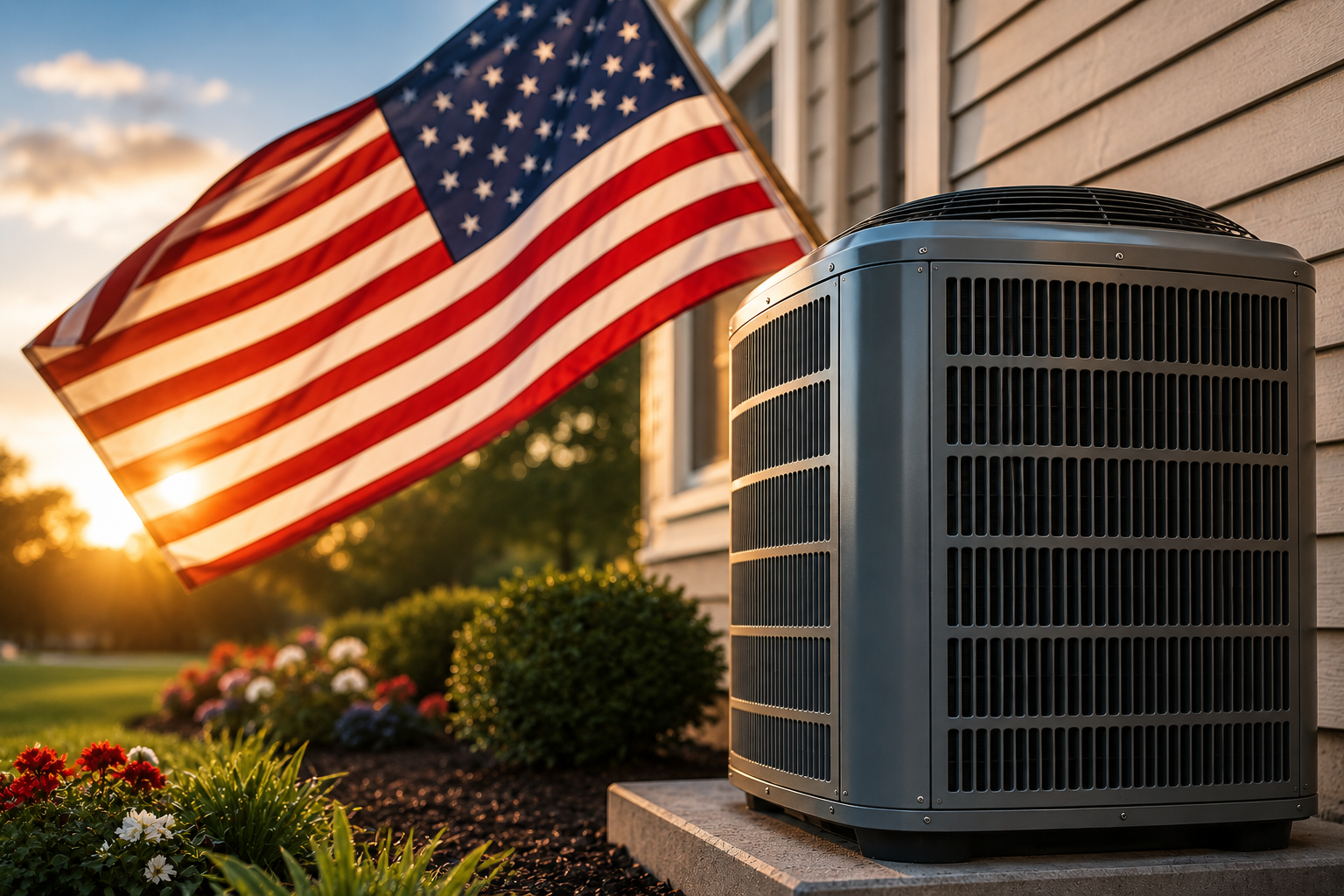
Every year on the last Monday of May, Americans pause. Flags are lowered to half-staff. Families visit cemeteries. And somewhere between the cookouts and the long weekend, the real meaning of the day can get lost.
What Memorial Day Really Means
Memorial Day is a day of mourning, set aside specifically to honor the men and women of the United States Armed Forces who died in service to this country.
Its roots stretch back to the Civil War. In the years that followed, communities gathered to decorate the graves of fallen soldiers with flowers and flags, a tradition that became known as Decoration Day. In 1868, General John A. Logan formally proclaimed May 30th a national day of remembrance. After World War I, the holiday expanded to honor fallen soldiers from all wars. In 1971, Congress made it a federal holiday set permanently on the last Monday of May.
This year, take a moment, even a quiet one. Visit a cemetery. Teach your kids what the day is really about. The cookout can coexist with the reflection. The freedom to gather with the people you love on a warm May afternoon is exactly what those men and women were protecting.
Now, About That AC
Memorial Day in Houston doesn't just mark the start of summer on the calendar. It marks the beginning of a months-long endurance test for your air conditioning system. Triple-digit temps. Relentless humidity. Weeks where your AC runs around the clock just to keep your home livable.
Your air conditioner is about to work harder than at any other point in the year. The question is: have you prepared it?
Why Spring Maintenance Matters and Why Now Is the Time
Most HVAC problems don't happen out of nowhere. They build slowly: a coil that's gradually gotten dirtier, a refrigerant level that's quietly dropped, a belt that's worn just a little more each season. By the time your system stops cooling on the hottest day of the year, the problem has usually been developing for months.
That's why spring maintenance exists. A professional tune-up before the peak cooling season gives a trained technician the chance to catch those small issues before they become expensive failures; and before you're sweating through a breakdown in the middle of August.
Here's what a routine maintenance visit typically includes:
- Cleaning the coils. Your AC's evaporator and condenser coils transfer heat out of your home. When they're coated in dust and grime, which happens naturally over time, they can't do that efficiently. Your system works harder, uses more energy, and cools less effectively. Cleaning them restores performance.
- Checking refrigerant levels. If levels are low, usually a sign of a leak, your unit will struggle to cool your home and can suffer serious long-term damage. A technician can identify and address refrigerant issues before they become critical.
- Inspecting electrical components. Capacitors, contactors, and wiring all wear down over time. Electrical failures are one of the most common causes of AC breakdowns during peak season. A quick inspection can identify components at risk before they fail.
- Lubricating moving parts. Motors and fans have moving parts that create friction. Without proper lubrication, they wear down faster and eventually fail. A little maintenance goes a long way toward extending the life of your equipment.
- Clearing the drain line. Your AC removes humidity from the air as it cools, and that moisture drains through a line that can easily clog, especially in a humid climate like Houston's. A clog can cause water damage or trigger the system to shut off entirely. Clearing it takes minutes and prevents a major headache.
- Checking airflow and filter condition. Restricted airflow forces your system to work harder and can cause the evaporator coil to freeze, shutting down your cooling entirely. A clean filter and proper airflow are simple but essential.
The Cost of Skipping It
A routine maintenance visit costs a fraction of what a major repair runs; and a fraction of what a full system replacement costs. Beyond repair bills, an unmaintained system is simply less efficient, and in a Houston summer, that means higher utility bills every month.
A well-maintained HVAC system can last 15 to 20 years. A neglected one often fails well before that. The maintenance you schedule now isn't just preventing this summer's breakdown; it's protecting a significant investment in your home.
Schedule Before the Heat Hits
At Hage Energy, we're proud to serve the Houston community. This Memorial Day, we're grateful for the brave men and women who gave everything to protect it.
We're also here to help make sure your home stays comfortable all summer long. If you haven't scheduled your spring AC maintenance visit yet, now is the time before the heat peaks and our schedule fills up.
Happy Memorial Day from all of us at Hage Energy. Have a safe and meaningful weekend.
FAQ Context
Why is Memorial Day a good time to schedule AC maintenance in Houston?
Memorial Day in Houston signifies the start of the summer cooling season, with triple-digit temperatures and high humidity. Scheduling AC maintenance at this time allows a technician to address potential issues before the system is placed under the extreme stress of running constantly, preventing breakdowns during the hottest months.
What does a routine AC maintenance visit typically include?
A standard AC maintenance visit includes cleaning the evaporator and condenser coils, checking refrigerant levels for leaks, inspecting electrical components like capacitors and wiring, lubricating moving parts, clearing the condensate drain line, and checking airflow and the air filter's condition.
What is the historical meaning of Memorial Day?
Memorial Day is a federal holiday for mourning and honoring the U.S. military personnel who have died while serving in the United States armed forces. It originated as Decoration Day after the Civil War and was expanded to honor all fallen soldiers after World War I.