

A Houston HVAC Tech's Hurricane Prep List - Do This Before the First Storm Hits
Hage Energy
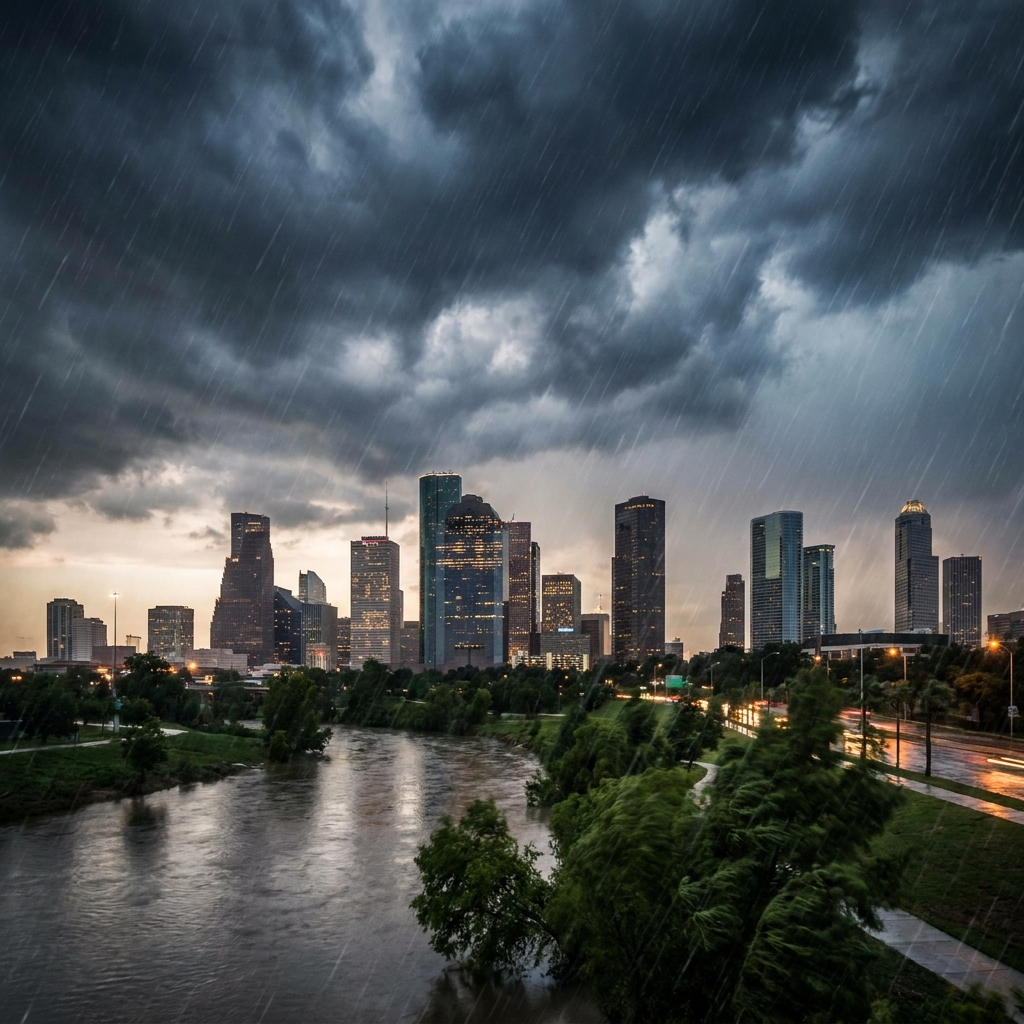
June marks the official start of Atlantic hurricane season. Here's what every Houston homeowner needs to do right now to protect their HVAC investment.
Hurricane season runs June 1st through November 30th, and your HVAC system is one of the most expensive and vulnerable pieces of equipment on your property. Storm debris, flooding, and power surges are the top three causes of hurricane-related HVAC damage, and all three are largely preventable. Here's what to do now.
1. Protect your outdoor condenser
Trim branches within 6–8 feet of the unit and store or secure any nearby loose items: patio furniture, potted plants, and gravel all become dangerous projectiles in high winds. Do not cover the unit with a tarp during a storm; it restricts airflow and traps damaging moisture. After the storm passes and the system is off, hurricane-rated ventilated covers are fine.
2. Elevate equipment if you're in a flood zone
Outdoor condensers should be mounted on elevated pads or platforms that raise them off the ground, ideally higher if your neighborhood has a history of flooding. Even a few inches of water intrusion can mean full equipment replacement, and saturated ductwork creates serious mold problems. If your air handler or furnace sits on a ground-level slab, have a technician evaluate its flood risk.
3. Install surge protectors
A whole-home surge protector is a great first layer of protection, but it may not fully protect your air conditioning system. During lightning strikes, power outages, and utility power restoration, damaging voltage spikes can still reach your condenser, furnace, or air handler and damage compressors, blower motors, capacitors, and control boards.
Installing dedicated surge protectors directly on your HVAC equipment provides an extra layer of protection where it matters most and can help prevent repairs costing thousands of dollars. After a power outage, wait 15–30 minutes before turning your air conditioning system back on to allow utility voltage to stabilize.
4. Schedule a tune-up and clear your drain line
Hurricane season peaks in August–October, the hottest months in Houston. Get a professional tune-up now, including: coil cleaning, refrigerant check, electrical inspection, and condensate drain flush. A clogged drain line during a tropical rain event causes interior water damage every year. Replace your air filter today while you're at it.
5. Know your shutoff and document everything
Before a storm makes landfall, turn the system off at the thermostat and the exterior disconnect box. Make sure everyone in the household knows where the disconnect is located. Photograph your equipment, including model and serial numbers, and store images in cloud backup. That documentation is essential for insurance claims.
Check your insurance: Standard homeowner policies typically cover wind and hail damage but exclude flooding. If you don't have a separate flood policy, review your coverage before a named storm develops in the Gulf.
Schedule your pre-hurricane HVAC inspection with Hage Energy today!
Don't wait until there's a named storm in the Gulf; our technicians are booking fast!